

Houses in Multiple Occupation (HMOs) are subject to strict fire safety regulations in the UK. Landlords must navigate a complex legal framework to ensure their properties are safe and compliant. Failing to meet these requirements can result in severe penalties and, more importantly, put tenants’ lives at risk. This article focuses on the legal aspects of HMO fire safety – the key laws, the need for fire risk assessments, landlord duties, and what happens if you don’t comply. We’ll cover the Housing Act 2004, the Regulatory Reform (Fire Safety) Order 2005, the Fire Safety (England) Regulations 2022, local licensing rules, and more, giving landlords a clear overview of their responsibilities.
Legal Framework for Fire Safety in HMOs

Housing Act 2004 and HMO Licensing:
The Housing Act 2004 is foundational to HMO regulation. It introduced mandatory licensing for larger HMOs (those with 5 or more occupants forming 2+ households) to ensure minimum safety and amenity standards. Fire safety is a paramount consideration in this licensing process. In fact, a local authority cannot issue an HMO licence unless satisfied that appropriate fire precaution facilities and equipment are provided. This means landlords must have adequate smoke alarms, fire doors, extinguishers or blankets, and escape routes in place before a license is granted. The Act also implemented the Housing Health and Safety Rating System (HHSRS), a risk-based evaluation that includes fire as a potential hazard. If an HMO’s fire precautions are lacking, councils can use HHSRS powers to require improvements or even prohibit use of the property. Local authorities may also impose specific license conditions related to fire safety, such as requiring interlinked smoke alarms on every floor or annual electrical safety checks, to protect tenants. In short, under the Housing Act 2004, landlords must ensure adequate fire safety measures or face refusal or revocation of their HMO license.
Regulatory Reform (Fire Safety) Order 2005:
Commonly known as the Fire Safety Order or FSO, this law applies to the common areas of HMOs (like stairwells, hallways, kitchens in bedsits – essentially any areas used by more than one household). It designates a “responsible person” – typically the landlord or managing agent – who must take proactive steps to prevent fire and keep people safe. Under the FSO, the responsible person must carry out and regularly review a fire risk assessment, take reasonable steps to reduce fire risks, and ensure occupants can safely escape if a fire breaks out. In practice, this means identifying hazards (sources of ignition, fuel, potential obstructions) and then implementing appropriate precautions: for example, installing fire alarms, providing fire extinguishers, maintaining clear escape routes, and installing fire-resistant doors. The responsible person can delegate the fire risk assessment to a competent professional, but legal accountability remains with the landlord. Compliance with the Fire Safety Order is not a one-time task – it requires ongoing management. If there are significant changes to the property or its occupancy, the risk assessment must be updated. The FSO is enforced by fire authorities and carries serious weight (breaching it is a criminal offence), which we’ll discuss further under penalties.
Fire Safety (England) Regulations 2022:
These regulations, which came into force on 23 January 2023, add new duties for multi-occupied residential buildings as a response to recent fire safety reforms. For HMO landlords, two key requirements stand out.
Regulation 9
Mandates providing residents with clear fire safety instructions – you must display prominent notices explaining how to report a fire, what the evacuation procedure is, and any other actions residents should take in a fire emergency. In practice, this could mean posting a fire action notice in the hallway or on the back of each bedroom door, and giving all tenants written instructions at the start of their tenancy and periodically thereafter.
Regulation 10
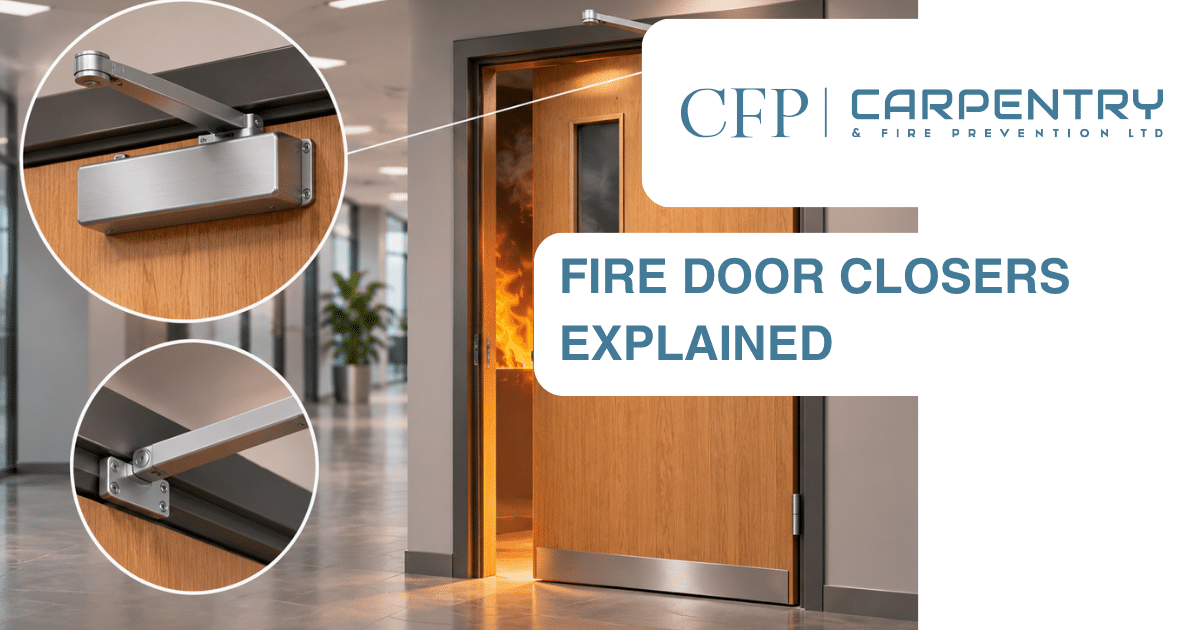
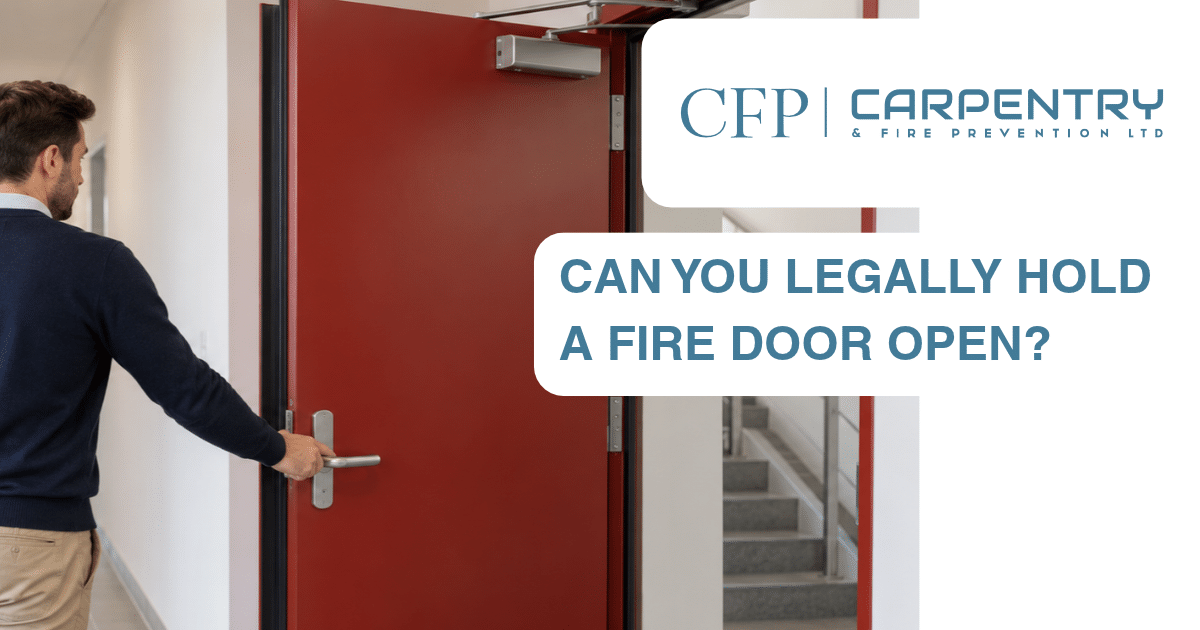
Focuses on fire doors. Landlords must inform residents about the importance of fire doors – that doors should be kept closed when not in use, that self-closing devices must not be tampered with, and that any damage or faults should be reported immediately. Essentially, tenants need to understand that wedging a fire door open or removing the door closer can be life-threatening behaviour. For taller buildings (over 11m or 18m, as defined in the regulations), there are additional duties such as regular checks of fire doors (common area doors quarterly, flat entrance doors yearly) and installing wayfinding signage for firefighters.
However, most HMOs (being smaller buildings) will mainly need to focus on Reg 9 and 10: provide fire safety information and keep fire doors functional and respected.
Local Authority Oversight and Licensing:
Local councils are on the front line of enforcing HMO standards. Through the HMO licensing regime and periodic inspections, councils ensure landlords maintain fire safety measures. Many councils adopt the national LACORS Fire Safety Guidance as a benchmark, which details the alarm systems and fire precautions expected for different HMO sizes and layouts. If your HMO is licensable, you will have had to submit a fire risk assessment or at least describe your fire safety provisions during the application. Councils can inspect the property before granting a license and can refuse or attach conditions if fire safety is inadequate. Even for smaller HMOs that might not require a license, the council can still inspect if they suspect safety issues (using HHSRS powers). It’s worth noting that the local housing authority is usually the primary enforcement body for fire safety in HMOs (as opposed to high-rise blocks which fall mainly to fire authorities). Councils often work in partnership with the Fire and Rescue Service – for instance, a council HMO team might consult the fire brigade on complex cases or refer issues. The important point for landlords is that your HMO can be subject to inspection at any time by these authorities, and you should be prepared to demonstrate compliance with all the regulations mentioned above.
Fire Risk Assessment Requirements and Certification

At the heart of HMO fire safety compliance is the fire risk assessment (FRA). This is not just a paper exercise – it’s a legal requirement under the Fire Safety Order 2005 for any HMO with shared areas. The FRA must be “suitable and sufficient,” meaning it systematically evaluates all fire hazards in the property and how those risks are controlled. A competent person should conduct the assessment. In theory, a landlord can do it themselves, but unless you have expertise in fire safety, it’s wise to hire a qualified fire risk assessor. A professional will know what to look for (from checking electrical safety to assessing escape route integrity) and will provide a thorough report.
Key elements the fire risk assessment should cover include: identifying sources of ignition (like cooking appliances, heaters, faulty wiring), sources of fuel (furniture, trash, flammable liquids), and any unsafe conditions (e.g. blocked exits or lack of lighting). It will evaluate the people at risk (tenants, any vulnerable occupants) and examine existing fire precautions (detectors, alarms, fire doors, extinguishers, signage).
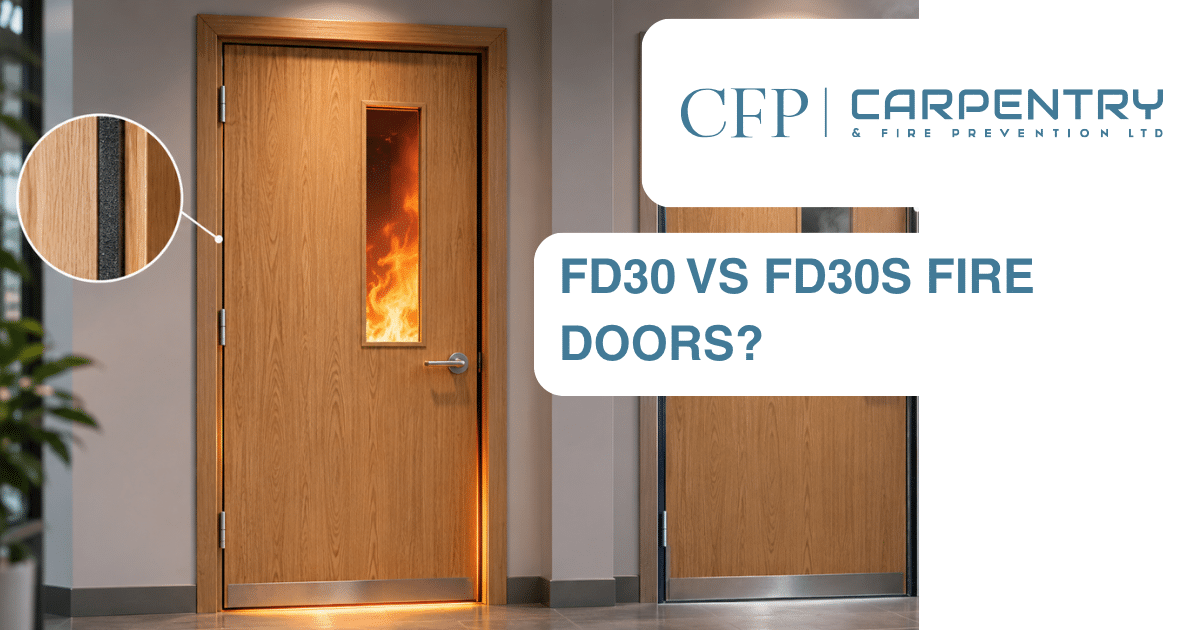
The outcome is a set of recommendations or actions needed to reduce risk – for example, installing an interconnected fire alarm system, upgrading certain doors to FD30 fire doors, adding emergency lighting, or improving fire stopping around service pipes. As a landlord, you must then implement these measures diligently.
Equally important is the documentation and certification of fire safety measures. Unlike the days before 2005 (when fire certificates were issued by fire brigades), today the onus is on the landlord to document their own compliance. Once you have a fire risk assessment report, keep it on file and update it regularly – it’s recommended to review the FRA at least annually, and sooner if there are changes to the property or occupancy.
If you’ve installed a fire alarm or emergency lighting system, you should have certificates from the installer (usually valid to demonstrate compliance with British Standards). Similarly, when you fit fire doors, you should receive documentation or a label on the door set indicating its fire rating. Maintain a fire safety logbook for the HMO in which you record routine checks and maintenance – for instance, weekly alarm tests, monthly emergency light tests, annual servicing of alarms and extinguishers, and periodic fire drills or tenant instruction sessions. All of this serves as evidence that you are fulfilling your ongoing duties. Remember, proper record-keeping is not just a bureaucratic requirement; it’s a vital part of demonstrating due diligence and compliance. Should an incident occur or an inspection take place, your paperwork (risk assessment, certificates, maintenance logs) will be scrutinised. Landlords who can readily produce these records find inspections go much more smoothly.
Ongoing Landlord Responsibilities and Inspections
Complying with HMO fire regulations is not a one-off task at the time of licensing – it requires continuous effort. Ongoing responsibilities for HMO landlords include regular maintenance, tenant communication, and self-inspection:
Maintaining Fire Safety Equipment:
All fire protection equipment must be kept in good working order. The HMO Management Regulations 2006 explicitly require that fire alarms and fire-fighting equipment be maintained in good working order at all times. This means you should test smoke alarms regularly (e.g. weekly or monthly) and document it. Fire alarm systems, especially in larger HMOs, should get a professional service at least annually. Fire extinguishers should undergo an annual service by a competent technician and be refilled or replaced after use. Emergency lighting (if present) needs monthly function checks and an annual full test. If any device is found faulty, fix or replace it immediately – do not leave your tenants unprotected. It’s good practice to keep spare smoke alarm batteries or even spare units on hand for quick replacement.
Keeping Escape Routes Clear and Sound:
Your tenants’ lives could depend on a clear exit path during a fire. Landlords must ensure that escape routes are free of obstruction and properly maintained. Hallways, stairs and exits should not be used for storage of bikes, furniture, rubbish, or any flammable materials. Routinely check that these areas remain clear – this may require educating tenants who are prone to leaving belongings in common areas. Also, maintain the physical condition of the route: for example, stairs and handrails should be secure and in good repair, and carpeting or flooring should not be loose (to avoid tripping). If the route includes any fire doors, ensure they close fully and are not wedged open. Provide adequate signage as well – signs saying “Fire Exit” with directional arrows (if needed) and “Keep Locked” or “Keep Shut” on fire doors help reinforce the proper use of the escape path. In buildings with multiple exits or complex layouts, clear signage is critical so people don’t get lost in an emergency. For HMOs accommodating five or more people or with dimly-lit exits, emergency lighting should be installed to British Standard BS 5266 so that the escape route remains illuminated if the power fails.
Tenant Communication and Training:
An often overlooked duty is informing and guiding your tenants. As the responsible person, you should educate occupants about basic fire safety rules. This includes instructing them not to block exits, not to tamper with smoke detectors or fire extinguishers, and to keep fire doors closed. Under the Fire Safety (England) Regulations 2022, you are now formally required to give tenants information on what to do in case of a fire and specifically how to use (or not misuse) fire doors. Many landlords provide a fire safety notice in each room and revisit fire safety tips when new tenants move in. If your HMO has a fire alarm panel, show the tenants where it is and what the alarm sounds like. If there are extinguishers, it might be worth giving a brief explanation or even a demonstration of how to use a fire blanket or extinguisher (bearing in mind that in general, tenants are advised to focus on escape, not firefighting, unless necessary). The goal is to foster a culture of safety where tenants understand that, for instance, disabling a self-closing device on a fire door or removing alarm batteries is dangerous and illegal. Make it easy for tenants to report fire safety concerns to you – for example, if a smoke alarm starts beeping due to a low battery or if they notice an exit light not working.

Regular Self-Inspections:
Don’t wait for the authorities or an incident to discover a problem. Landlords or their agents should conduct periodic fire safety inspections of the property. This could be monthly walk-throughs of common areas to check that all precautions are in order: test the alarms, open and release each fire door to ensure it closes correctly, inspect extinguisher pressure gauges, and so on. Many responsible landlords combine this with routine visits (like monthly HMO inspections, checking for general maintenance issues). Keep a checklist so you cover everything. Regular fire door inspections are particularly important – look for damage to the door or seals, ensure no one has screwed hooks or altered the door, check that hinges are tight and the closer works. The new regulations even mandate quarterly fire door checks in some buildings because of how crucial this is. If you identify issues during these self-checks, address them immediately (this could mean doing minor fixes yourself or calling a professional for larger problems).
Now, what happens when official inspections occur? There are two main authorities that can inspect your HMO for fire safety compliance: the local council and the local Fire and Rescue Service. Typically, for day-to-day HMO management, the local council’s Private Housing or HMO Enforcement team will be the ones you interact with. They might inspect your property as part of the license approval process, or they might schedule periodic inspections during the license period. They also respond to complaints or concerns (for example, if a tenant or neighbour reports a fire hazard). You are expected to cooperate with council inspectors, provide access, and present any relevant documentation, such as your fire risk assessment or alarm test records if asked. Separately, under the Fire Safety Order, the fire brigade has the power to inspect the common areas of residential buildings. Fire officers (sometimes in coordination with council officers) can do an audit of your fire risk assessment and the physical measures in place. However, in practice, many fire services prioritise high-rise or high-risk properties; for typical HMOs, councils take the lead. That said, if the fire service is made aware of serious fire safety concerns at an HMO, they can and will inspect and may issue enforcement notices to the landlord.
Penalties for Non-Compliance

Both the Housing Act and the Fire Safety Order have teeth. Non-compliance with fire safety duties can lead to criminal penalties, heavy fines, and even imprisonment in the most severe cases. Under the Housing Act 2004, if you fail to obtain a required HMO license or breach license conditions (which would include maintaining fire safety measures), you can face fines or a civil penalty up to £30,000 per offence. Landlords who are prosecuted may also be subject to Rent Repayment Orders (paying back rent to tenants or benefits) and even banning orders that prohibit them from managing any rental property for a period of time.
Under the Fire Safety Order 2005, consequences can be more severe. If found guilty of failing to comply with fire safety duties (for example, not having a risk assessment or not implementing needed precautions), one could face unlimited fines or up to 2 years in prison on indictment. Even minor breaches often result in notices and fines. Fire authorities have issued fines of tens of thousands of pounds to HMO landlords for things like faulty fire alarms or wedged-open fire doors. If your HMO doesn’t comply with legal fire safety requirements, you could receive a hefty fine, a prison sentence, or a legal ban from managing or letting properties.
Beyond formal penalties, consider the liability and moral responsibility. In the event of a fire where tenants are injured or worse, a landlord who neglected fire safety could be liable for civil damages and would have to live with the knowledge of having failed to protect their occupants. With the memory of tragedies like the Grenfell Tower fire driving stricter enforcement, there is very little leniency nowadays for landlords who cut corners on fire safety. In summary, compliance is not optional – it’s a fundamental part of being an HMO landlord. By understanding the legal framework and diligently carrying out your responsibilities (or hiring competent professionals to help), you can keep your property safe, stay on the right side of the law, and avoid the devastating consequences of a fire in your HMO.