

A failed fire door sounds alarming, but not every failure means you need to replace the whole door. In many cases, a missing hinge screw, damaged seal or poorly adjusted closer causes the problem.
The word “fail” can describe anything from a minor defect that takes minutes to fix to serious damage that requires a full replacement. The key is to identify what failed, how serious the defect is and what you need to do next.
In this guide, we explain what a failed fire door inspection means, which defects need urgent attention, when you can repair a door, who needs to fix it and what can happen if you ignore known problems.


What Does a Failed Fire Door Inspection Mean?
A fire door fails an inspection when one or more parts of the doorset no longer meet the required standard or stop the door from performing as intended.
For example, a 6mm gap around the leaf can stop the intumescent seals from closing the gap effectively during a fire. Missing hinge screws can allow the door to drop and eventually stop latching. An unauthorised alteration, such as a cat flap cut into the leaf, can also compromise the door’s original fire performance.
A failed fire door does not always look damaged. Many defects remain difficult to spot without checking measurements, individual components and how the door operates. That is exactly why professional inspections matter.
Not Every Fire Door Failure Is Equally Serious
A good inspection report should rank defects according to risk instead of treating every failure in the same way.
Some problems need urgent attention. A door that will not close or latch, a missing or disconnected self-closer, a door permanently wedged open, serious damage to the leaf or a door pulling away from its frame can directly compromise compartmentation. You should deal with these defects quickly and consider interim measures until you complete the repairs.
Other failures still require corrective work but may fit into a planned remedial programme. These can include damaged or missing intumescent seals, excessive gaps, missing hinge screws, unsuitable hardware and unauthorised alterations.
Lower-risk findings may include missing signage, incomplete records or uncertainty around certification. You still need to resolve them, but defects that directly affect the door’s ability to contain fire and smoke should take priority.
Does a Failed Fire Door Need to Be Replaced?
Not necessarily.
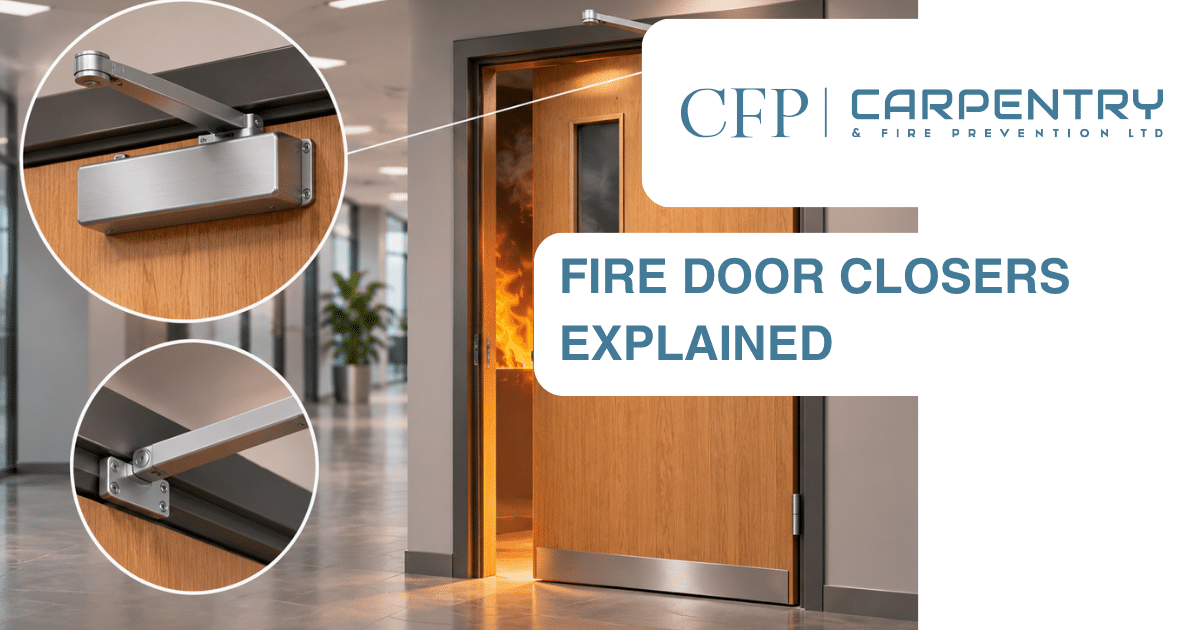
You can repair many common failures. An installer can replace intumescent and smoke seals, hinges, closers, letterplates, signage and other compatible hardware without changing the entire doorset. They may also correct gap problems through suitable adjustment or approved remedial methods.
You will usually need to replace the door when serious damage or warping affects the leaf, when someone has trimmed it beyond the limits in its test evidence, or when significant alterations cannot be reversed.
Older doors without certification may also need replacement if a competent assessor cannot accept them as nominal fire doors.
You should also look at the building as a whole. If a survey finds similar defects across dozens of doors, a coordinated repair or replacement programme may prove more practical and cost-effective than fixing doors individually over several years.
Always use competent installers and compatible products. The wrong seals, hinges or hardware can create a new compliance issue instead of solving the original problem.
Who Is Responsible for Fixing a Failed Fire Door?
In a block of flats, the responsible person under the Fire Safety Order usually carries responsibility for fire doors that protect the common parts. Depending on the building, this may include the freeholder, managing agent, residents’ management company or housing association.
Flat entrance doors can make responsibility more complicated because the lease may place maintenance obligations on the leaseholder. In some buildings, the leaseholder maintains and replaces the entrance door. In others, the freeholder manages the doors and recovers the cost through the service charge.
Even when the leaseholder owns the door, the responsible person still needs to make sure that the door protects the communal escape route properly. Check the lease before deciding who should arrange the work and who should pay.
In commercial premises, the employer, owner or occupier who controls the relevant part of the building will usually carry the responsibility.
What Happens If You Do Not Fix Failed Fire Doors?
Fire and rescue authorities can take enforcement action when building owners or responsible persons ignore known fire safety defects.
An enforcing authority can issue an enforcement notice that requires you to complete specific work within a set timeframe. If inspectors identify a serious and immediate risk, the authority can issue a prohibition notice and restrict the use of part or all of the building.
Serious breaches of the Fire Safety Order can lead to unlimited fines and, in the most severe cases, prosecution.
The inspection failure itself does not create the biggest problem. Your response to it does.
If you identify defects, create a clear remedial programme and complete the work, you can show that you have taken the issue seriously. If you leave the report untouched for months or years, you create a much harder compliance problem to defend.
Insurers may also ask what you knew about existing defects and what action you took if a fire occurs. Clear records can make a major difference.
How to Stop Fire Doors Failing Again
Once you repair the defects, routine checks can help you catch new problems before they become serious.
In blocks of flats where the top storey sits above 11 metres, Regulation 10 of the Fire Safety (England) Regulations 2022 requires quarterly checks of communal fire doors and annual checks of flat entrance doors using best endeavours.
Other buildings should follow an inspection and maintenance schedule that reflects their fire risk assessment.
Residents, staff and contractors also need to understand what can compromise a fire door. People often create avoidable failures by wedging doors open, removing self-closers, painting over seals or making unauthorised alterations.
You should also control contractor work carefully. Maintenance and refurbishment projects can damage doors, frames and surrounding fire stopping without anyone noticing.
Finally, keep clear records of inspections, defects, repairs and completed remedial work. Good documentation helps you show that you identified problems, prioritised them and resolved them properly.
Frequently Asked Questions
Does a failed fire door have to be replaced?
Not usually. You can often correct failures by replacing or repairing seals, hinges, closers and hardware or by correcting unsuitable gaps. You will normally need a replacement when serious damage affects the leaf, when alterations cannot be reversed or when the door cannot demonstrate an acceptable level of fire resistance.
How quickly should I fix a failed fire door?
The level of risk should guide the timescale. If a door cannot close or latch properly, arrange urgent repairs. You can usually place less serious defects into a planned remedial programme with clear completion dates.
Who pays to fix a failed flat entrance door?
The lease usually decides who pays. In some buildings, the leaseholder pays directly. In others, the freeholder arranges the work and recovers the cost through the service charge.
Can a building stay open if some fire doors fail?
Often, yes, as long as the defects do not create an immediate and serious risk and the responsible person has a clear plan to correct them. An enforcing authority can restrict the use of part or all of the building if the risk becomes serious enough.
Will a failed fire door inspection automatically go to the fire brigade?
No. A contractor or inspector normally sends the findings to the client who commissioned the inspection. What matters next is how quickly the responsible person acts on the defects and records the work.
Need Help Putting Failed Fire Doors Right?
At CFP Carpentry & Fire Prevention, we inspect failed fire doors and carry out the remedial or replacement work needed to bring them back into compliance. We provide fire door surveys, remedial repairs, certified fire door installation, flat entrance and communal door replacement programmes, fire stopping and documented compliance reporting.
We work across Bournemouth, Southampton, Poole, Exeter and Plymouth in the South and South West; London, Guildford, Slough and Croydon across London and the South East; and Bristol, Swindon and Oxford across the Midlands and wider areas.
If you already have an inspection report, send it to us and we can identify what needs repairing or replacing, explain the priorities clearly and give you a practical route back to compliance.